Material Writer-Chapman Pennington
In case you have been considering options for visual correction, you may have come across the term EVO ICL, referring to Implantable Collamer Lens. This cutting-edge technique is becoming popularity as an efficient alternative to standard methods including LASIK surgery. The Implantable Collamer Lens provides a special solution for individuals who are affected by myopia, astigmatism, and various vision deficiencies, ensuring the promise of good eyesight free from certain limitations connected to surface-based surgery.
In this comprehensive guide, we will delve into all the important aspects of the EVO ICL procedure. From learning about its merits and potential risks to evaluating it against LASIK surgery, we'll help you determine the suitability of this new solution is the best choice for your vision requirements. Get ready to explore the details of EVO ICL surgery, including the process, what to expect post-surgery, costs, and firsthand patient accounts, empowering you to make wise decisions about your vision health.
What exactly is EVO ICL?
EVO ICL, or the Evo Implantable Collamer Lens, is a groundbreaking eye surgery designed for individuals seeking vision correction without the need for regular glasses or contact lenses. The EVO ICL is a type of surgically-inserted contact lens that is inserted inside the eye, specifically between the colored part of the eye and the lens of the eye. This procedure aims to fix refractive errors such as nearsightedness, farsightedness, and irregular vision, making it a widely applicable option for a variety of patients.
Unlike laser-based procedures like laser-assisted in situ keratomileusis, which reshape the front part of the eye, EVO ICL maintains the stability of the eye's structure. It offers a unique option for patients with compromised corneas or those who may not be appropriate candidates for laser surgery. The lens is made from a compatibly engineered material called Collamer material, which ensures a high level of satisfaction and cooperation with the eye. EVO ICL provides an alternative for people seeking permanent vision correction while preserving the option for future laser treatments if necessary.
The advantages of EVO ICL extend beyond just improving vision. Many people report better visual acuity, improved contrast sensitivity, and an overall quality of life improvement. As technological advancements occur, EVO ICL has emerged as a top pick for corrective eye surgery, offering a reliable solution for those looking to escape from the annoyances of corrective lenses.
Benefits of EVO ICL Procedure
The EVO ICL procedure offers numerous advantages for those looking for vision correction. One of the primary advantages is the ability to correct a wide range of refractive errors, including severe nearsightedness and astigmatism, which may not be suitable for LASIK. The insertable Collamer lens is designed to work with the existing eye structure, providing a natural feel and excellent visual outcomes. Patients often report sharp, distinguished vision soon after the procedure.
Another significant benefit of EVO ICL is its minimal impact on the corneal structure. Unlike LASIK, which alters the cornea, EVO ICL is implanted in the eye without affecting its surface. This is an attractive option for individuals with thinner-than-average corneas or those who have previously been considered unfit for LASIK. Additionally, the lenses are made from biocompatible materials, reducing the chances of complications and ensuring a pleasant fit.
Last but not least, the reversibility of the EVO ICL procedure is a key advantage. If necessary, the lens can be removed or replaced with minimal impact on the eye. https://www.cleveland.com/coronavirus/2020/10/cleveland-lasik-plastic-surgeons-have-seen-more-demand-during-pandemic.html provides patients with peace of mind, knowing that their vision can be adjusted in the future. In summary, EVO ICL surgery presents a reliable and effective option for achieving lasting vision correction while accommodating different personal requirements.
Evo Implantable Collamer Lens vs Other Vision Correction Methods
When considering options for vision correction, patients often weigh the benefits and drawbacks of various procedures. The Evo Implantable Collamer Lens, known as the Evo Implantable Collamer Lens, stands out as a preferred choice for many, especially among those with high myopia or thin corneas. Unlike LASIK, which permanently reshapes the cornea, EVO ICL offers a reversible solution that does not alter the corneal structure. This feature makes it appealing for individuals who may experience changes in their vision as they age, as the ICL can be taken out or replaced if necessary.
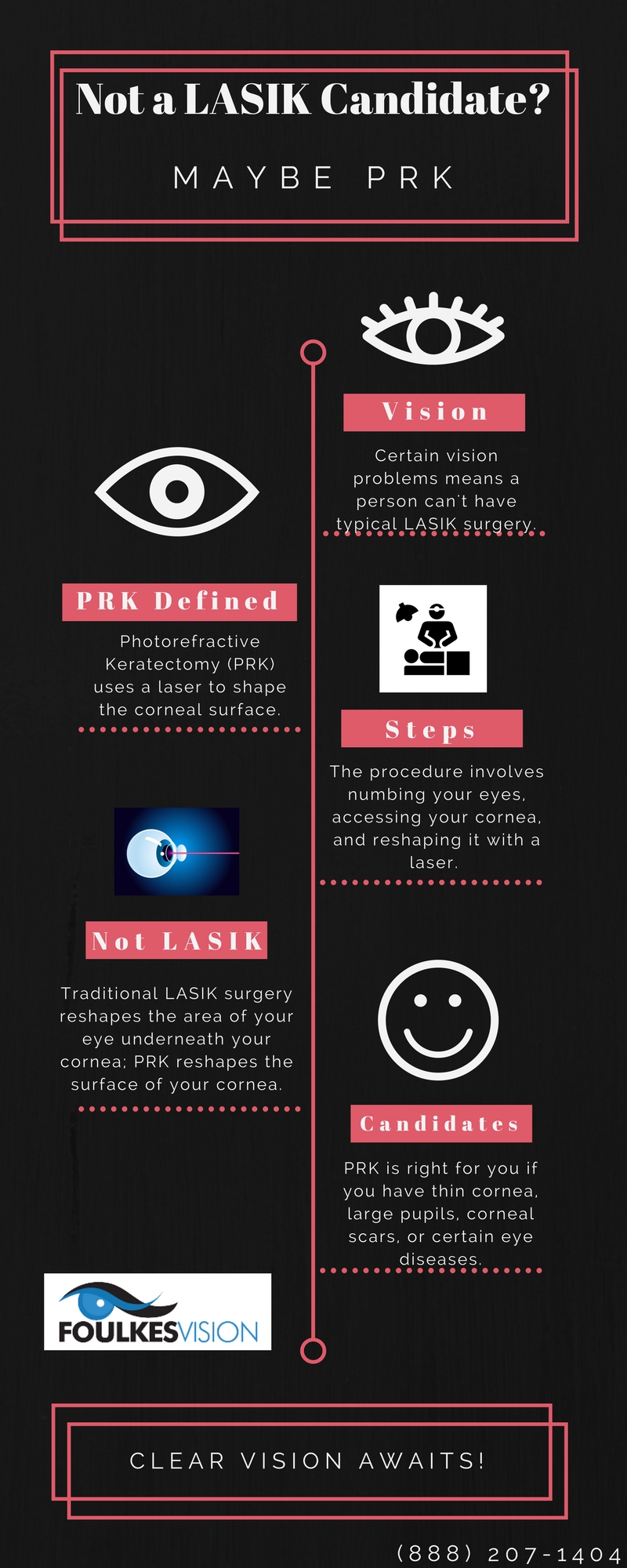
An additional aspect to consider is with PRK (Photorefractive Keratectomy). While both the Evo ICL and PRK strive to correct refractive errors, their approaches differ significantly. PRK works on the surface of the cornea, which can lead to a longer recovery time and discomfort following the procedure. Conversely, the EVO ICL procedure typically has a quicker recovery and minimal downtime, allowing patients to return to normal activities almost immediately. However, the choice between these methods depends on individual eye health, lifestyle, and preferences.
Ultimately, it is worth noting the advancements in other technologies, such as SMILE (Small Incision Lenticule Extraction). While SMILE is a less invasive form of laser eye surgery, it is primarily suitable for myopia and astigmatism corrections. The ICL, on the other hand, can address a wider range of refractive errors and is particularly effective for patients who have not responded well to other procedures, making it a versatile option for those seeking permanent vision correction.
EVO ICL Procedure and Healing
The Implantable Collamer Lens process begins with a thorough eye examination to determine if you are a appropriate candidate for the implantable collamer lens. Once approved, the surgery is typically performed in an same-day setting, allowing you to return home the same day. During the surgery, anesthetic eye drops are applied to minimize discomfort. The doctor makes a minimal incision in the cornea and carefully inserts the EVO ICL behind the iris, where it functions to correct nearsightedness, irregular vision, or other visual impairments.
As for healing, many individuals experience improved vision almost right away after the surgery. The initial post-operative period usually involves few issues, with some swelling and light sensitivity being common. Patients are often advised to avoid strenuous activities for a short period and to follow any particular instructions given by their doctor. Routine follow-up appointments are essential to monitor healing and ensure optimal sight outcomes.
The overall recovery period for implantable collamer lens varies from individual to individual. Most individuals return to their daily activities within a few days, but full visual settling can take a few weeks. It's essential to adhere to the post-operative care plan, including the use of prescribed eye drops to aid in healing and avoid infection. As your vision adjust to the new lens, you can look forward to enjoying clear vision without the hassle of glasses or contact lenses.